
The Kenya National Commission for UNESCO (KNATCOM) joined stakeholders to commemorate the 60th anniversary of International Literacy Day, with national celebrations held at Olenarau Primary School Grounds in Kajiado Central on 8th September 2026.
The celebrations, held under the theme “Literacy for the People, the Planet and Prosperity,” brought together adult learners, adult education instructors, national and county government representatives, development partners and other stakeholders to highlight the transformative role of literacy in advancing inclusive and sustainable development.
The event was presided over by the Principal Secretary, State Department for Social Protection and Senior Citizen Affairs, PS Joseph Motari, CBS, MBS, who was the Chief Guest. In his address, the Principal Secretary underscored the important link between literacy and social protection, noting that literacy empowers citizens to access government services and programmes, including the Inua Jamii social protection programme.
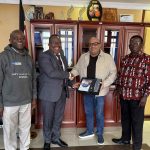
The KNATCOM Ag. Secretary-General was represented by the Deputy Director, Education Programme, Ms. Nancy Njeri, who delivered the official International Literacy Day message from the UNESCO Director-General, H.E. Khaled El-Enany.
The UNESCO message highlighted significant global progress in literacy over the past five decades, with youth literacy rising from approximately 75 per cent to 93 per cent, while adult literacy increased from about 65 per cent to 88 per cent between 1975 and 2024. Despite this progress, significant gaps remain, with millions of children still out of school and hundreds of millions of adults lacking basic literacy skills, the majority of whom are women.
The message further called for renewed attention to emerging dimensions of literacy in an increasingly digital society, including Media and Information Literacy, Artificial Intelligence (AI) Literacy and the ability to identify and respond to misinformation. These competencies are increasingly important in enabling individuals to navigate the digital environment responsibly and participate meaningfully in society.

The International Literacy Day celebrations also recognised the efforts and achievements of adult learners in pursuing education and lifelong learning. A colourful procession of adult learners was flagged off by the County Commissioner, Kajiado County, Commissioner Michael Yator, marking the commencement of the day’s activities.
In recognition of outstanding performance and commitment to adult and continuing education, trophies were awarded to the best-performing adult learners and the best-performing sub-county in Adult and Continuing Education in Kajiado County. The recognition seeks to encourage enrolment, participation and retention in adult learning programmes, particularly in communities where factors such as early marriage, FGM and nomadic lifestyles can affect access to and continuity of education.
The 2026 International Literacy Day celebrations reaffirmed the importance of literacy as a foundation for inclusive education, lifelong learning and sustainable development. They also reinforced Kenya’s commitment to Sustainable Development Goal 4 (SDG 4), which calls for inclusive and equitable quality education and the promotion of lifelong learning opportunities for all.
Simultaneously, similar Literacy Day’s commemoration also took place in Mai Mahiu, Naivasha Sub-County, Nakuru County where KNATCOM was represented by Officer, Education Programme, Mr. Lewa Omar in an event that was graced by Deputy County Commissioner, Naivasha Sub-County, Mr. Josiah Odongo, who flagged off the procession. The day’s messages sensitized the community on adult education and lifelong learning.
The 2026 celebrations reaffirmed Kenya’s commitment to SDG 4 on quality education and the constitutional right to education. KNATCOM remains committed to promoting quality, accessible and relevant education. Literacy remains fundamental to empowering individuals, expanding opportunities and enabling citizens to participate effectively in the social, economic and development processes of their communities and the country at large.