Empowering Youth to Revitalize Indigenous Languages
KNATCOM, in partnership with (SIL) Kenya, KNEC, BTL and Kenyatta University joined hands to celebrate the 2026 International Mother Language Day (IMLD) at Kenyatta University Amphitheatre in Nairobi on 20th February 2026. The day is celebrated worldwide on 21 February to promote awareness and importance of linguistic diversity contribution to peace and sustainable development. The theme for this year IMLD is “Youth at the Digital Frontier: Revitalizing Indigenous Languages in a Multilingual World.
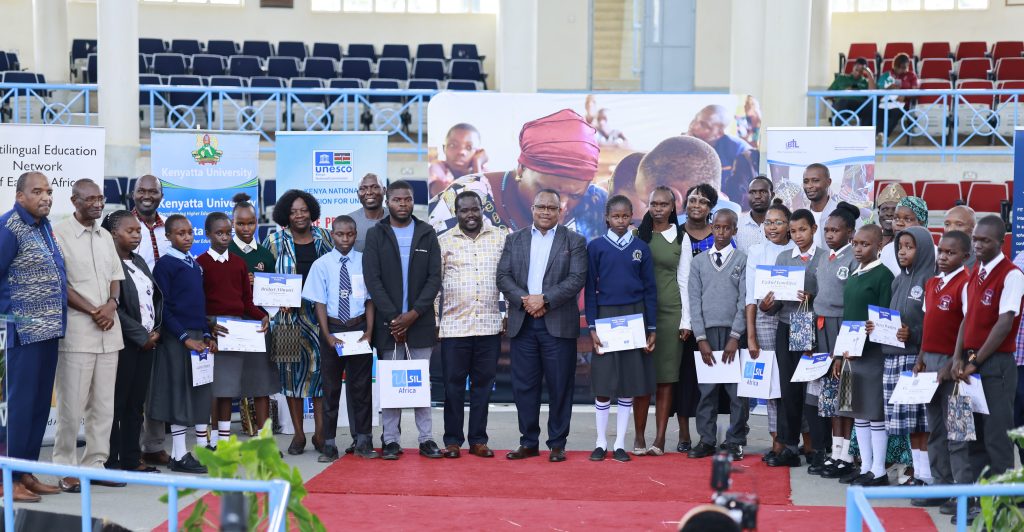
The event brought together government institutions, NGOs, linguistic experts, community leaders, digital creators, cultural institutions, students, and youth to explore how indigenous languages can thrive in the digital age. Held under the theme “Youth at the Digital Frontier: Revitalizing Indigenous Languages in a Multilingual World,” the celebrations highlighted critical role of young people in revitalizing indigenous languages recognizing that they are not only inheritors of linguistic heritage but also are at the centre of the digital frontier. In a multilingual world shaped by artificial intelligence, social media, and digital platforms, youth have unprecedented tools to document, promote, and revitalize indigenous languages.
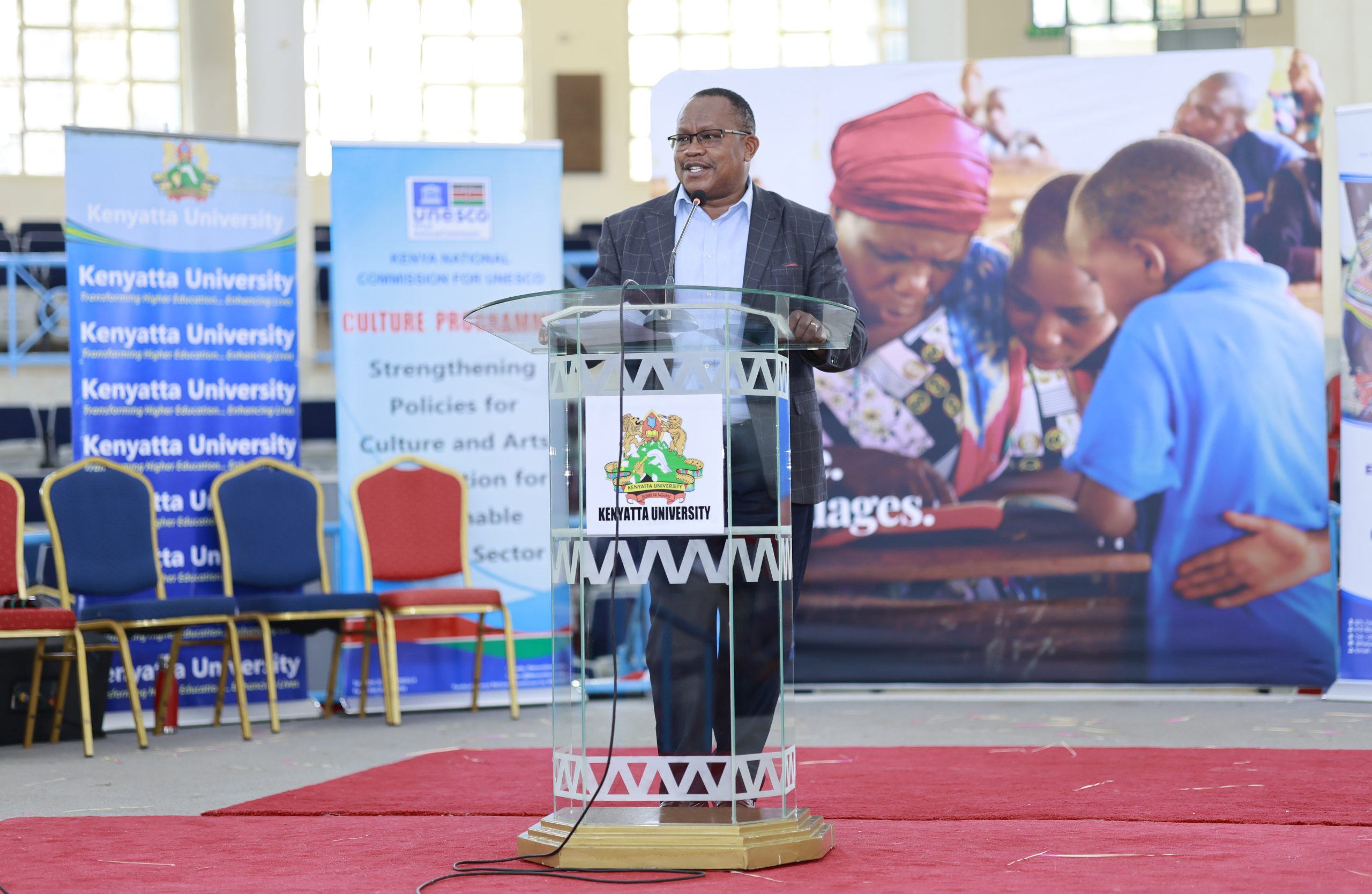
The event was graced by Dr. James Njogu Ag. Secretary General, KNATCOM and Dr. David Njengere, CEO of the Kenya National Examinations Council as the keynote speaker. Dr. Njogu in his remarks as guest of honour noted that multilingualism is not a barrier to national unity, but it is a bridge. He noted that every language matters and called upon stakeholders to join hands in promotion and protection of indigenous languages for sustainable development. He emphasized the importance of indigenous languages in education and safeguarding cultural preservation, essential for literacy and early learning and for promotion of peace, and the diversity of cultural expressions. In line with the theme for 2026 IMLD, Dr. Njogu encouraged young people to leverage on technology and community initiatives to keep indigenous languages alive and relevant. He stressed the importance of involving communities at the grassroots level to ensure these efforts have a lasting impact beyond institutional and boardroom discussions.
In his keynote address Dr. Njengere highlighted the strong connection between mother tongue proficiency and literacy development. He encouraged the Kenya Institute of Curriculum Development (KICD) to continue developing curricular and educational materials in local languages. At the same time, he urged all other stakeholders to treat indigenous languages as a “natural resource,” focusing on opportunities rather than shortcomings. Additionally, he proposed the use of proficiency assessments to promote these languages and enhance literacy standards giving examples of how other nations have invested in their languages. He noted that Kenya with the richness of diversity its languages has enormous potential to leverage and benefit from the diversity on its indigenous languages to promote sustainable development.
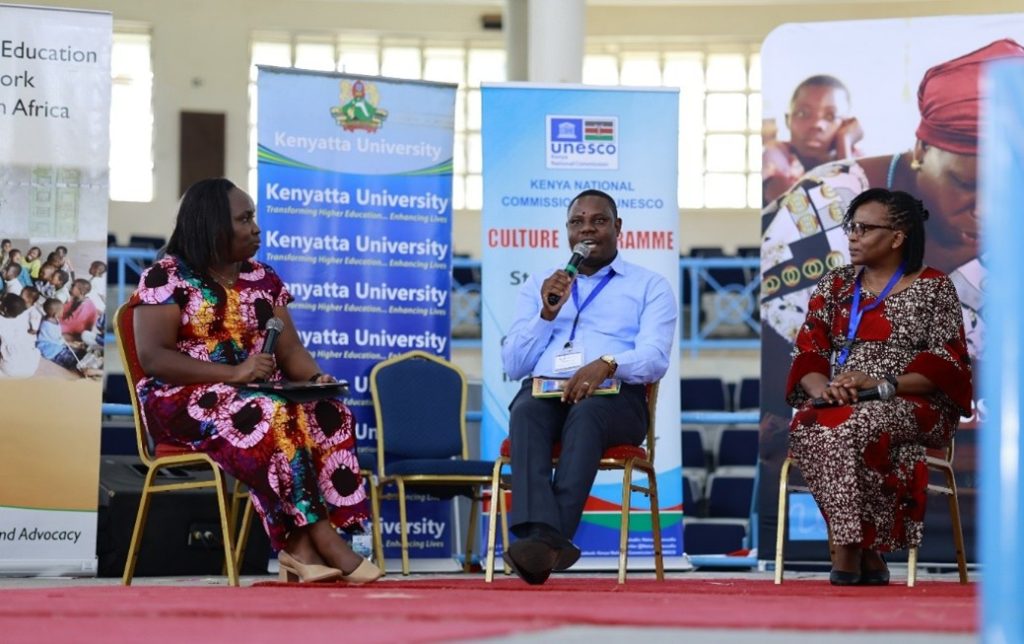
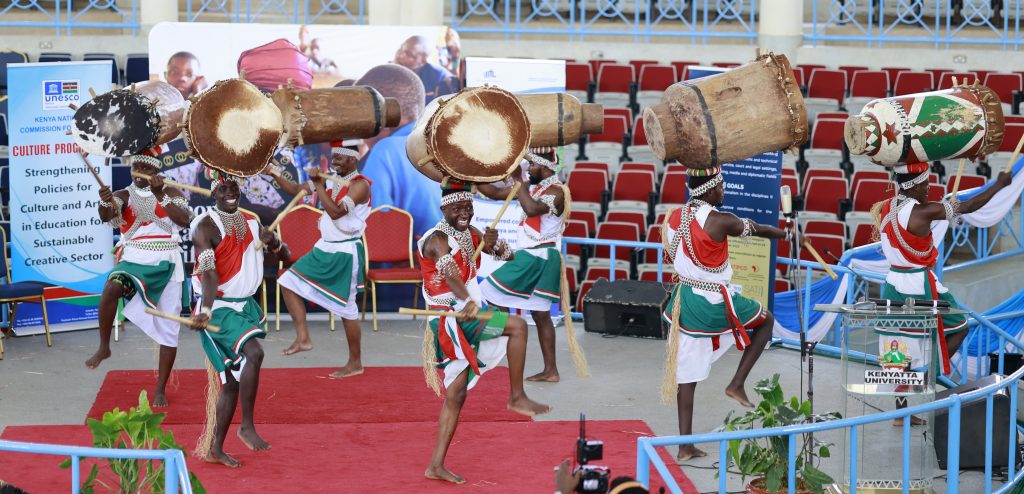
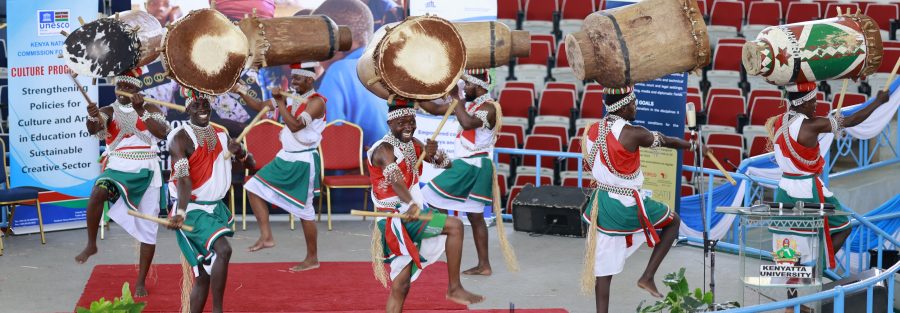
The event featured a panel discussion, the awarding of top Junior Secondary School essay competition winners, exhibition booths, and cultural displays. These activities highlighted the importance of mother languages in education and cultural preservation, while encouraging young people to take pride in their linguistic heritage. The celebrations concluded with cultural dances and presentations by pupils and students, showcasing Kenya’s diversity. KNATCOM awarded cash prizes to the winners of the Essay and Video competition which targeted grade 8 and 9 children to encourage young people to appreciate and promote mother languages.
Diverse cultural presentations and performances were showcased by; Kenyatta University, Daystar university, Rapala Dancers, Sangwamahoro Burundi Dancers Focus Academy and Tharaka community dancers. Participants in the discussions underscored the role of parents in supporting first language acquisition and called on the government and other stakeholders to strengthen awareness and sensitization efforts, in line with the purpose of International Mother Language Day.