CULTURE PROGRAMME: Safeguarding Cultural Heritage and Fostering Creativity For Peace & Sustainable Development
Culture
is among the key thematic priorities of UNESCO programmes, alongside Education,
Natural Sciences, Social and Human Sciences, and Communication and Information.
The main goal of the Culture Programme at KNATCOM is to promote awareness,
safeguarding, and appreciation of cultural heritage and creativity for peace
and sustainable development. Culture is fundamental for promotion of social
cohesion, inclusive societies, preserving people’s identity and for socio-economic
development of communities.
UNESCO
believes that culture is a key pillar in the promotion of sustainable
development. Integrating culture into development processes helps ensure a
human-centred approach grounded in mutual respect and contributes to lasting
peace. This view is in accordance with Kenya’s Constitution, which recognises
culture as the foundation of the nation and as the cumulative civilisation of
the Kenyan people. UNESCO provides a global platform of norms and best
practices for the promotion and safeguarding of cultural heritage and the
fostering of creativity. These guiding
policy frameworks include the six Culture Conventions and best practices and
networks that Member States can leverage on to guide national culture policies and fostering of international cooperation through
culture.
The Culture Programme has two main thematic divisions, namely
Activities of the culture programme are guided by UNESCO Culture Conventions and best
practices as outlined below;
- The 2003 UNESCO Convention for the Safeguarding of the Intangible Cultural Heritage (Ratified)
- The 2005 UNESCO Convention on the Protection and Promotion of the Diversity of Cultural Expressions (Ratified)
- The 2001 UNESCO Convention on the Protection of the Underwater Cultural Heritage (Not Ratified)
- The 1972 UNESCO Convention for the Protection of the World Cultural and Natural Heritage (Ratified)
- The 1970 UNESCO Convention on the Means of Prohibiting and Preventing the Illicit Traffic of Cultural Property (Ratified)
- The 1954 UNESCO Convention for the Protection of Cultural Property in the Event of Armed Conflict and its Protocols (Not Ratified)
- UNESCO Institute for Statistics Framework for Cultural Statistics
- UNESCO Creative Cities Network (UCCN)
- UNESCO Chairs
Main Activities of the Programme are under three broad objectives as listed below;
Strengthening the Management and Governance of Cultural Heritage
Activities
on the Management and Governance of Cultural Heritage focus on building the
capacity of stakeholders through policy dialogue forums and partnerships. Under
this theme, activities include training and awareness-raising initiatives on
UNESCO best practices for the protection, safeguarding, and promotion of both
tangible and intangible cultural heritage.
Examples of
activities undertaken in the safeguarding of tangible heritage include the
identification, nomination, and promotion of UNESCO World Heritage Sites in
Kenya. Since 2018, Kenya has eight heritage sites inscribed on the UNESCO World
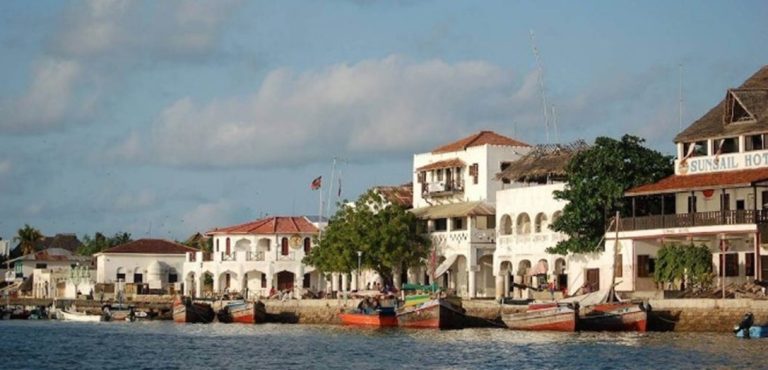
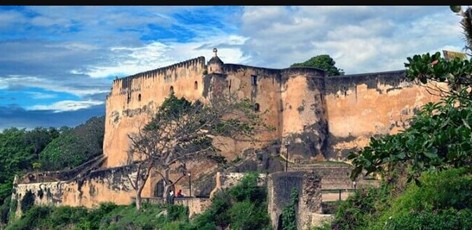
Heritage List. These include the Historic Town and Archaeological Site of Gedi (Gede), Lamu Old
Town, Fort Jesus, Sacred Mijikenda Kaya Forests, and Thimlich Ohinga Archaeological Site, as
well as three natural sites: Mount Kenya
National Park, Lake Turkana National
Parks, and the Kenya Lake System in the Great Rift Valley (Lake Bogoria, Lake Nakuru, and Lake Elementaita). UNESCO World Heritage
Sites are critical to the conservation of national cultural and natural
heritage assets and have the potential to create opportunities for local
communities through sustainable tourism, international collaboration, and
research.